Source Eco Friendly Portable Cookware and Utensils Set for Camping, Kitchen, Outdoor
Compare 30 listings of eco friendly portable cookware and utensils set featuring stainless steel and aluminum options. Buyers can evaluate MOQs, certifications like FDA and LFGB, and customization availability for various cooking scenarios; compare the available evidence and request quotations based on your requirements.
Key considerations
Products List
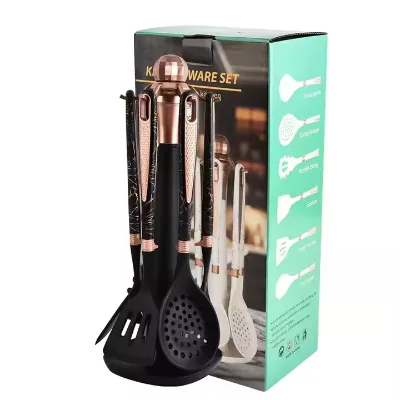


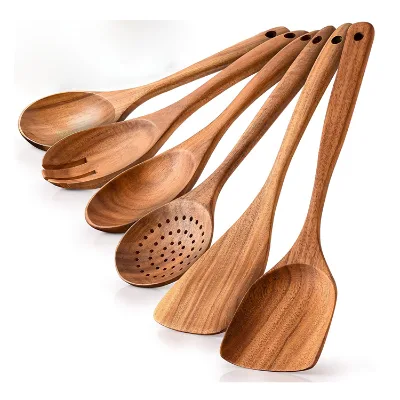


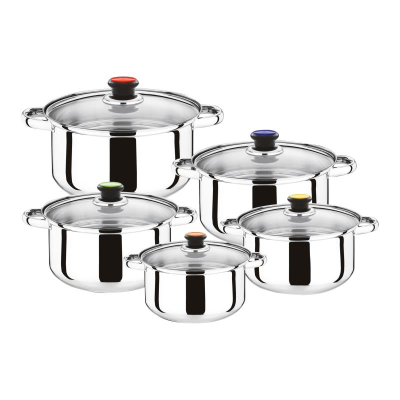


Comprehensive Sourcing Guide
Eco Friendly Portable Cookware and Utensils Set Sourcing Guide
Sourcing eco-friendly portable cookware and utensil sets requires a nuanced understanding of material sustainability and functional versatility. Buyers must distinguish between products marketed as "eco-friendly" based on reusable materials versus those relying on non-toxic coatings. The observed market includes stainless steel and aluminum options, often paired with silicone rubber bases for stability. It is critical to verify that the "eco" claim is backed by tangible attributes such as non-stick, anti-slip, or easy-cleaning features, rather than vague marketing terms. Procurement teams should prioritize sets that explicitly state their environmental benefits, such as being reusable or free from harmful interior coatings, to ensure alignment with corporate sustainability goals.
The portability aspect adds another layer of complexity, requiring evaluation of weight, packing efficiency, and durability during transit. Many listed sets are designed for general use on gas and induction cookers, making them suitable for both home and outdoor applications. Buyers should assess whether the set includes a pot cover, as some observations indicate options without lids, which may impact storage and cooking versatility. Additionally, the presence of glass lids or specific size ranges, such as 16cm to 30cm diameters, influences the set's utility for different household sizes. Understanding these physical constraints helps in selecting a product that meets both logistical requirements and end-user expectations for convenience and space-saving design.
Product Scope and Observed Listing Signals
The current market landscape for eco-friendly portable cookware reveals a diverse range of product configurations and material compositions. Observed listings indicate a price range from $0.32 to $50, reflecting significant variation in quality, material thickness, and included components. Minimum order quantities (MOQs) vary widely, from as low as 8 pieces to 13,500 units, catering to both small boutique brands and large-scale distributors. Some suppliers offer customized color boxes and OEM logo services, allowing buyers to tailor the product to their brand identity. It is essential to note that not all products labeled as "eco-friendly" share the same material base; some are stainless steel, while others incorporate aluminum or silicone rubber, each with distinct environmental and performance implications.
Feature sets observed in the market include eco-friendly design, stocked availability, anti-slip properties, and ease of cleaning. These attributes suggest a focus on user convenience and safety, which are key selling points for portable cookware. However, buyers must carefully review the specific product model numbers, such as CB-B0124-7 or X-0010, to understand the exact specifications. Some sets are described as having a natural wood color or mirror polish finish, indicating aesthetic variations that may appeal to different market segments. The presence of certifications like FDA and LFGB is a strong positive signal, but buyers should verify that these certifications apply to the specific materials used in the cookware, particularly the non-stick coatings or silicone components, to ensure compliance with international safety standards.
Technical Specifications to Verify
Verifying technical specifications is crucial to ensure the cookware set meets functional requirements and safety standards. Buyers should confirm the applicable stove types, as some sets are designed for general use on both gas and induction cookers, while others may have limitations. The maximum temperature tolerance, observed in some listings as 399-440°F, is a critical parameter for oven safety, although many observed sets are explicitly marked as not oven-safe. It is important to distinguish between the main body material, such as stainless steel or aluminum, and the bottom material, which may include silicone rubber for heat distribution and stability. Misalignment between these materials can lead to performance issues, such as warping or uneven heating, so detailed specification checks are necessary.
The coating type is another vital technical aspect, with some products featuring non-stick coatings and others having no interior coating. Buyers must assess the durability and safety of these coatings, especially if the product is marketed as eco-friendly. The presence of a glass lid or the absence of a pot cover also impacts the set's functionality and storage requirements. Additionally, the standard sizes, ranging from 16cm to 30cm, should be matched to the target market's cooking habits. Packaging dimensions, such as 38136cm, and carton standards, like 16kg per carton, are essential for logistics planning. Ensuring that the product model and size specifications align with the buyer's inventory and distribution needs prevents costly mismatches and returns.
Compliance and Safety Documentation
Compliance with international safety standards is non-negotiable for eco-friendly cookware, particularly when it comes to food contact materials. Buyers must request and verify certifications such as FDA and LFGB, which indicate that the materials used are safe for food preparation. These certifications should cover all components of the set, including the cookware body, lids, and any non-stick coatings. It is important to ensure that the certification documents are current and issued by recognized testing bodies. The absence of harmful interior coatings is a key feature for eco-friendly products, and buyers should confirm that the manufacturing process adheres to strict environmental and health regulations.
In addition to material safety, buyers should verify that the product meets relevant packaging and labeling standards. The use of customized color boxes and specific packing methods, such as box or carton packaging, must comply with international shipping regulations. Documentation should also include information on the product's origin, with many observed sets originating from Guangzhou, China. Buyers should ensure that the supplier provides clear and accurate labeling, including material composition and care instructions. This transparency not only aids in compliance but also builds trust with end consumers who are increasingly concerned about the environmental and health impacts of their kitchenware.
Cost Drivers and Commercial Terms
Understanding the cost drivers in eco-friendly portable cookware procurement is essential for budgeting and negotiation. The observed price range of $0.32 to $50 suggests that factors such as material quality, coating technology, and packaging complexity significantly influence the final cost. Stainless steel and aluminum are common materials, but the addition of silicone rubber bases or non-stick coatings can increase production expenses. Buyers should also consider the impact of customization options, such as OEM logos or customized color boxes, which may incur additional fees. The MOQ, ranging from 8 to 13,500 units, plays a crucial role in pricing, with larger orders typically benefiting from economies of scale.
Commercial terms, including lead times and sample availability, are critical for supply chain planning. Observed lead times of 35 days and sample times of 7 days provide a baseline for scheduling, but buyers should negotiate these terms based on their specific needs. The availability of stocked items can reduce lead times for urgent orders, while custom orders may require longer production periods. Buyers should also clarify payment terms and shipping responsibilities to avoid hidden costs. Understanding these commercial dynamics allows for more accurate cost forecasting and helps in selecting suppliers who offer the best balance of price, quality, and delivery reliability.
Supplier Qualification and Quality Control
Supplier qualification is a foundational step in ensuring the reliability and consistency of eco-friendly cookware supplies. Buyers should conduct thorough due diligence on potential suppliers, verifying their manufacturing capabilities, quality control processes, and compliance with international standards. The presence of certifications like FDA and LFGB is a positive indicator, but buyers should also assess the supplier's track record in producing similar products. It is important to request samples to evaluate the physical quality, including the finish, coating durability, and overall construction. Suppliers who offer OEM/ODM services should be evaluated on their ability to meet specific design and branding requirements without compromising quality.
Quality control measures should be integrated into the procurement process to minimize defects and ensure product consistency. Buyers should establish clear quality standards and inspection criteria, covering aspects such as material thickness, coating adhesion, and packaging integrity. Regular audits and third-party inspections can help identify potential issues early in the production process. Additionally, buyers should maintain open communication with suppliers to address any quality concerns promptly. By prioritizing supplier qualification and robust quality control, buyers can mitigate risks and ensure that the eco-friendly cookware sets meet their expectations for safety, durability, and environmental responsibility.
Long-Term Procurement Checks
Long-term procurement success depends on continuous monitoring and evaluation of supplier performance and product quality. Buyers should establish key performance indicators (KPIs) to track metrics such as on-time delivery, defect rates, and customer satisfaction. Regular feedback loops with end-users can provide valuable insights into product performance and identify areas for improvement. It is also important to stay updated on changes in environmental regulations and consumer preferences, as these factors can impact the demand for eco-friendly cookware. Buyers should periodically review their supplier base to ensure they remain aligned with their sustainability goals and quality standards.
Sustainability should be a core component of long-term procurement strategies. Buyers should encourage suppliers to adopt environmentally friendly practices, such as using recyclable packaging and reducing waste during production. Collaborating with suppliers on innovation can lead to the development of new, more sustainable materials and designs. By fostering strong, transparent relationships with suppliers, buyers can create a resilient supply chain that adapts to market changes and continues to deliver high-quality, eco-friendly products. This proactive approach not only enhances brand reputation but also contributes to a more sustainable future for the kitchenware industry.
FAQs
What certifications do these cookware sets hold?
The cookware sets hold FDA and LFGB certifications to ensure safety. These standards verify that materials like stainless steel and silicone rubber meet strict health requirements for food contact. Buyers can rely on these documented certifications for compliance in international markets without needing additional testing.
Which cooktops are compatible with this product?
This product is designed for general use on both gas and induction cookers. It also supports all cooktop types for maximum versatility. The stainless steel and aluminum construction ensures efficient heat distribution across different heating sources while maintaining stability during cooking operations.
Can I customize the logo and packaging?
Yes, customization is available for logos and packaging options. Buyers can request OEM branding and choose from customized color boxes or standard packaging. This flexibility allows businesses to tailor the product presentation to their specific brand identity and market requirements effectively.
What is the minimum order quantity for this set?
The minimum order quantity varies, with some listings starting at 8 pieces and others at 1000 units. Buyers should check specific supplier requirements as the MOQ depends on the model and customization level. This range accommodates both small trial orders and large bulk procurement needs.
How long does it take to receive a sample?
Sample time is typically 7 days for standard requests. This allows buyers to verify product quality and features before committing to a larger order. The lead time for bulk production is generally around 35 days after sample approval and order confirmation.
What materials are used in the cookware construction?
The cookware sets are constructed from stainless steel, aluminum, and silicone rubber. These materials provide durability and heat resistance while remaining eco-friendly. The combination ensures the product is safe for cooking and meets the requirements for healthy food preparation in various kitchen environments.
Is the cookware set oven safe?
No, this cookware set is not oven safe. It is designed for stovetop cooking on gas and induction surfaces. Users should avoid placing the set in an oven to prevent damage to the materials and ensure the longevity of the product during regular kitchen use.